By Alexander Merz · Published on
Good kids binoculars are lightweight binoculars with low magnification (4x to 6x) that adjust to a child’s narrow eye spacing and can survive a fall.
Best Binoculars for Kids by Age
Age matters more than price. Little kids mainly need a steady view and a pair they can hold on their own. Older kids, on the other hand, notice right away when the optics are just a toy.
| Age | Binoculars | Why | Price |
|---|---|---|---|
| 3 to 6 years | Buki Kids Binoculars 4x32 | Just 4x and only 180 g. Made for exploring the backyard, not for fine detail. | about $13.90€ 13.90 |
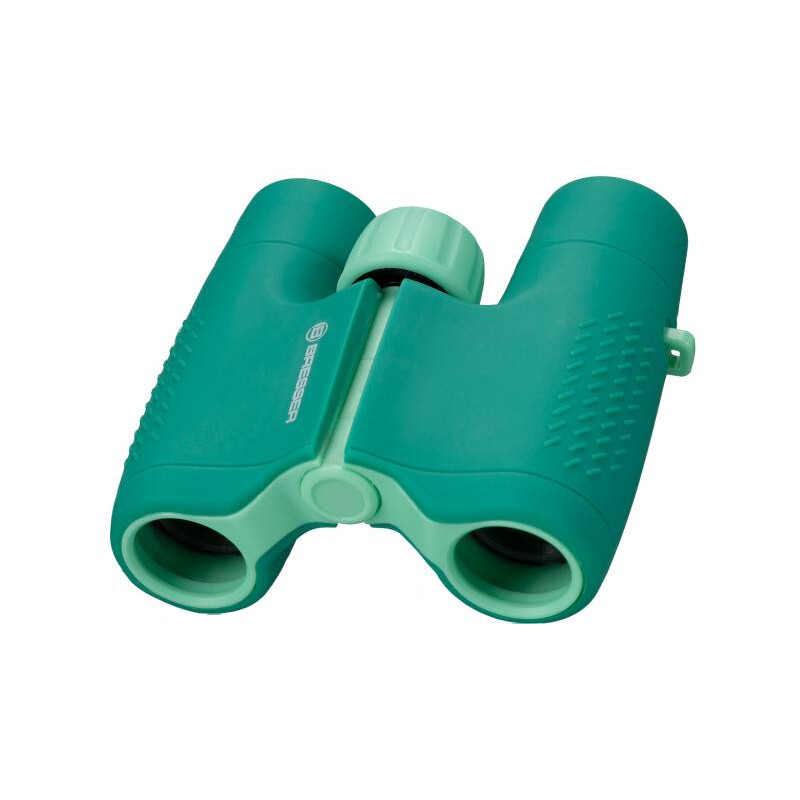
| 6 and up | Bresser Junior Binoculars 6x21 | ⭐ Our pick6x, eye spacing from 52 mm, eyecups for glasses wearers, carrying case included. | about $29.90€ 29.90 |
| 6 and up | Carson Hawk 5x30 Kids Binoculars | Only 139 g, 5x with a wide field of view. Forgiving with shaky hands. | about $24.95€ 24.95 |
| about 10 and up | Pentax Papilio II 6.5x21 Binoculars | High-quality optics and close focus from 50 cm: binoculars and magnifier in one. | about $179.99€ 179.99 |
| 12 and up, for stargazing | Celestron 7x50 Cometron BinocularsCelestron Cometron 7x50 Binoculars | 50 mm aperture for the Moon, the Pleiades and the Milky Way. Noticeably heavier. | $47.95€ 65 |
What to Look for in Kids Binoculars
Magnification: 4x to 6x, no more
More magnification makes it harder for kids, not better. Every little hand tremor gets magnified too, and the field of view shrinks. Your child may never even find that bird in the tree.
Under age 6, 4x is ideal; after that, 5x to 6x. From about 10, 8x works too, as long as your child can already hold steady. Our guide to binocular magnification explains exactly what the numbers on the body mean.
Eye spacing: the most overlooked factor
The most common problem isn’t the optics, it’s the eye spacing. Adults average a little over 60 mm (about 2.4 in), while grade-schoolers are well below that. If the two barrels can’t fold close enough together, your child sees two images or ends up squinting with one eye.
Weight and durability
Under 300 g, a child will hold binoculars up to their eyes for longer. Rubber armor protects them when they get dropped, and a neck strap usually keeps that from happening at all. Splash resistance is a real plus on outings.
Glasses wearers and focusing
If your child wears glasses, they need fold-down eyecups, or they’ll only see a small part of the image. A large center focus wheel is easier for small fingers than two individually focusing eyepieces.
Toy Binoculars or Real Binoculars?
Up to about age 5, toy binoculars are all you need. It’s about discovering things, not seeing details. A colorful 4x starter pair will even survive the sandbox.
Once your child starts school, real binoculars are worth it. Kids quickly notice whether they actually see more, and a blurry image kills the excitement faster than any price tag. Skip zoom binoculars and “night vision” toys: both usually deliver dark, blurry images.
Our pick for ages 6+: Bresser Junior Binoculars 6x21
Real kids' binoculars, not a toy: 6x, rubber-armoured, and the eye spacing adjusts down to 52 mm – so they fit narrow children's faces. Comes with a case, strap and fold-down eyecups for glasses wearers.
Price: € 29.90
Lightweight with a wide view: Carson Hawk 5x30 Kids Binoculars
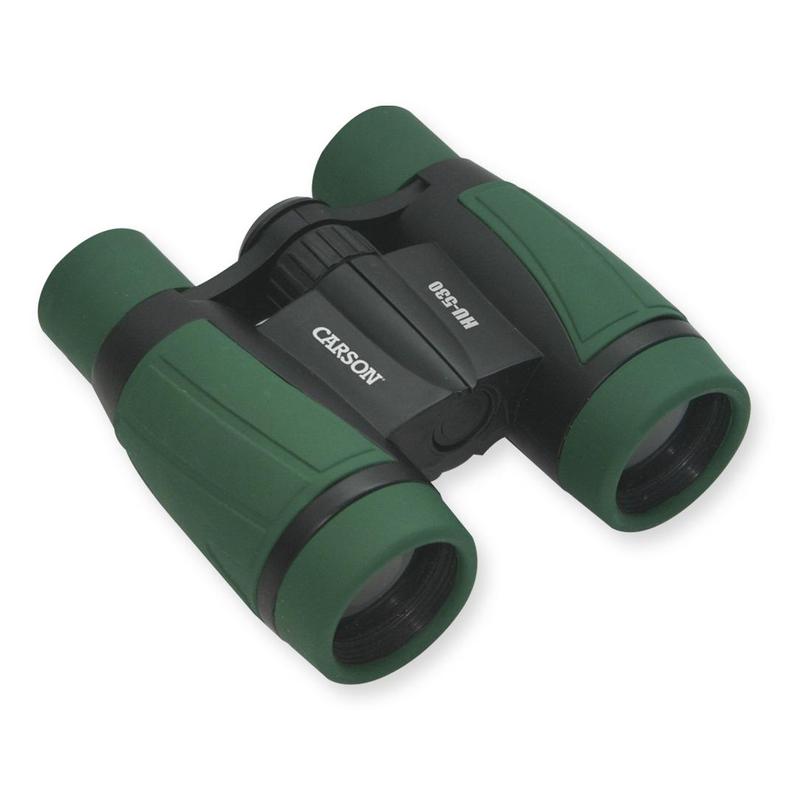
Only 139 g, 5x with a wide field of view (95 m at 1,000 m) and splash-proof. The low magnification forgives shaky hands – ideal for first wildlife watching.
Price: € 24.95
For the littlest ones: Buki Kids Binoculars 4x32
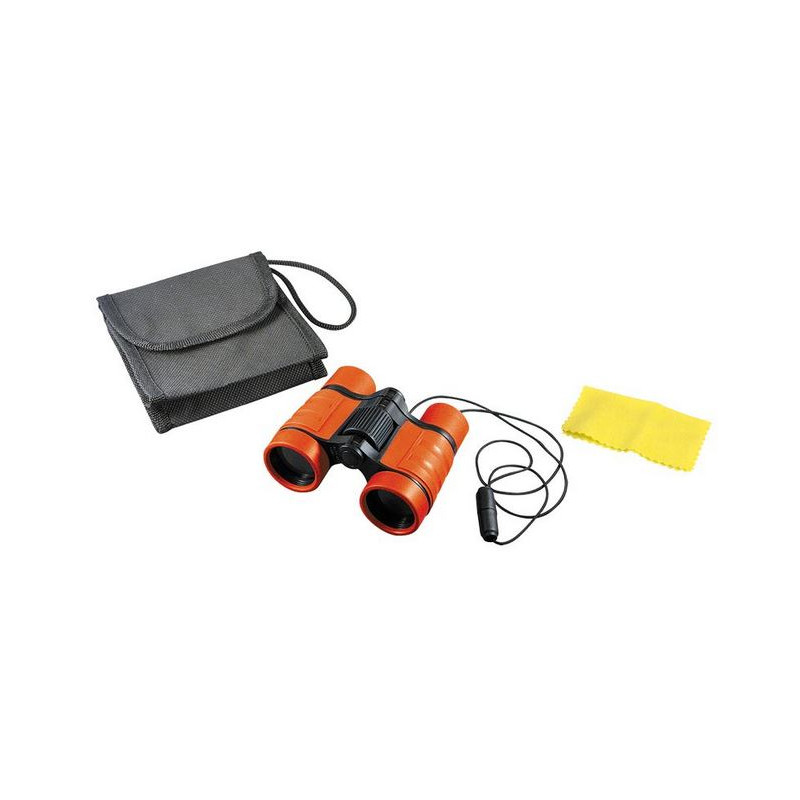
The starter pair for the littlest explorers: only 4x magnification, so the view is steady and easy to find. Light, colourful and tough – more of an exploration toy than optics for the stars.
Price: € 13.90
Want More? Binoculars Your Kid Can Grow Into
The Papilio focuses as close as 50 cm, which turns it into a magnifier for beetles, flowers and butterflies. Its fully coated optics deliver noticeably more contrast than a bargain pair. The extra cost pays off for kids from about 10 who already spend a lot of time observing outdoors. Check the eye spacing first, since it doesn’t always fit very young children.
For advanced observers: Pentax Papilio II 6.5x21 Binoculars
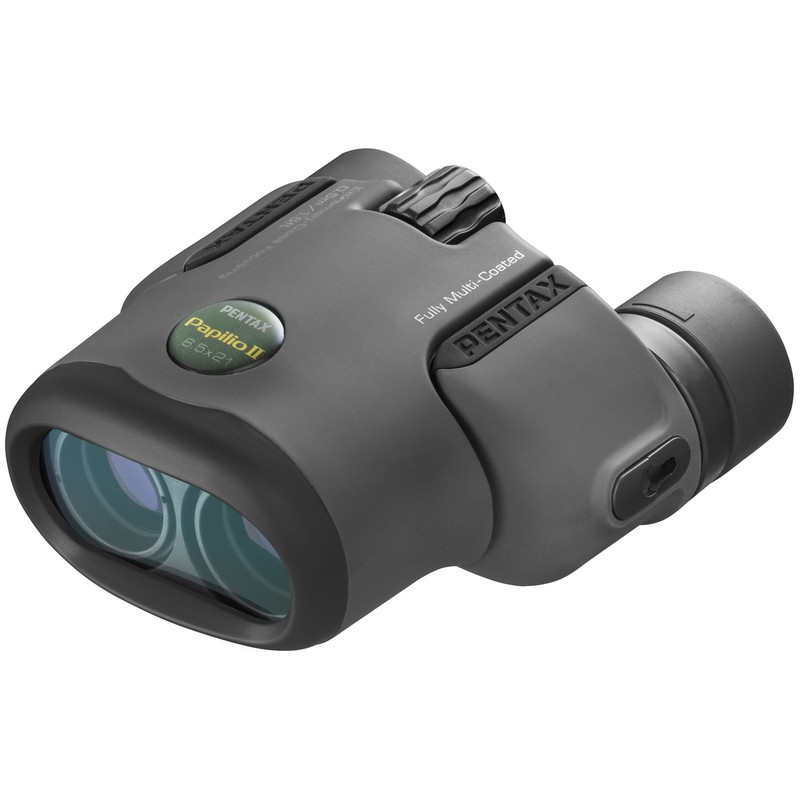
Binoculars and magnifier in one: they focus from just 50 cm, turning beetles and blossoms into an adventure. Fully coated optics with aspherical lenses – a pair that grows with your child.
Price: € 179.99
Stargazing with Kids Binoculars
With small kids binoculars, the Moon is the main attraction in the night sky. The craters along the line between light and dark are easy to spot even at 6x. For star clusters like the Pleiades, though, a 21 mm lens just doesn’t gather enough light.
From about age 12, a child can hold 7×50 binoculars. With those, the Pleiades, the Orion Nebula and the summer Milky Way become a real experience. Learn more in our guide to astronomy binoculars.
For stargazing, ages 12+: Celestron Cometron 7x50 Binoculars
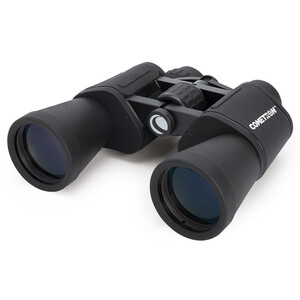
The astronomy classic among affordable binoculars: 7×50 with a large exit pupil for bright handheld views of the Moon and Milky Way – the ideal first step before a telescope.
Price: € 65
Thinking about a telescope after all? Our telescope for kids guide shows which models really work for children. You’ll find more ideas for young sky explorers in our astronomy gifts roundup.
Frequently Asked Questions About Kids Binoculars
At what age do binoculars make sense?
From about age 3, a lightweight 4x pair is fun with a grown-up’s help. Real kids binoculars are worth it from about age 6, once your child can focus on their own.
What magnification is right for kids?
4x for toddlers and preschoolers, 5x to 6x from grade-school age. Go for 8x only once your child can hold the binoculars steady, usually around age 10.
Is there an independent test of kids binoculars?
We’re not aware of any current independent test specifically for kids binoculars (as of September 2026). So check the specs yourself: magnification, interpupillary distance, weight and eyecups tell you more than any seal of approval.
Binoculars or a telescope for kids?
To start with, binoculars are usually the better choice: ready to go instantly, usable day and night and nearly indestructible. A telescope is worth it once your child specifically wants to see the Moon and planets.
Can my child use binoculars with glasses on?
Yes, as long as the eyecups fold down. That lets the eye get close enough to the eyepiece to see the whole image.
* Affiliate link: if you buy through this link we may earn a small commission from Astroshop or High Point Scientific, at no extra cost to you.