By Alexander Merz · Updated on · Details checked on 7 October 2026
When is it really worth looking up? Here are all the major astronomical events of 2026 and 2027 at a glance – eclipses, meteor showers, planetary oppositions – each with its date, visibility and a link to the detailed observing guide.
⚡ The quick answer: The next astronomy event: Orionids · 21/22 October 2026 (tomorrow) – Around 20 meteors per hour, moonless morning hours. After that come Clocks go back and Hunter’s Moon (25/26 October 2026) and Leonids (17/18 November 2026). Draconids · 8/9 October 2026 is over – the recap is in the guide.
Astronomical events 2026/2027: the calendar
| Date | Event | Guide |
|---|---|---|
| 21/22 October 2026 | Orionids – Around 20 meteors per hour, moonless morning hours – the next event | Meteor shower calendar |
| 25/26 October 2026 | Clocks go back and Hunter’s Moon – From now on it gets dark early in the evening | October guide |
| 17/18 November 2026 | Leonids – Around 15 meteors per hour | Leonids |
| 25 November 2026 | Uranus at opposition – Visible all night – a dot in binoculars, a tiny disc in a telescope | Observing Uranus |
| 13/14 December 2026 | Geminids – The strongest shower of the year, up to 150 meteors per hour | Geminids |
| 21–24 December 2026 | Winter solstice and a bright full moon – The longest nights of the year, plus the brightest full moon of the year on Christmas Eve | Night sky in December |
| 3/4 January 2027 | Quadrantids – Up to 80 meteors per hour | Quadrantids |
| 11 February 2027 | Jupiter at opposition – The first half of February’s double opposition | Observing Jupiter |
| 19 February 2027 | Mars at opposition – The second half of the double opposition – a rare pairing | Observing Mars |
| 21 February 2027 | Deep penumbral lunar eclipse – The next eclipse visible from here | Lunar eclipse |
| 22/23 April 2027 | Lyrids – The first shower worth staying up for after winter | Lyrids |
| 2 August 2027 | Total solar eclipse – The path of totality crosses North Africa and the Middle East – partial from here | Observing the Sun safely |
| 12–14 August 2027 | Perseids – The most popular shower of the year | Perseids |
| 18 October 2027 | Saturn at opposition – Visible all night | Observing Saturn |
| 14 December 2027 | Geminids – Again the strongest shower of the year | Geminids |
📅 Already past: Saturn at opposition · 4 October 2026 and Draconids · 8/9 October 2026 – the recaps are in the respective guides.
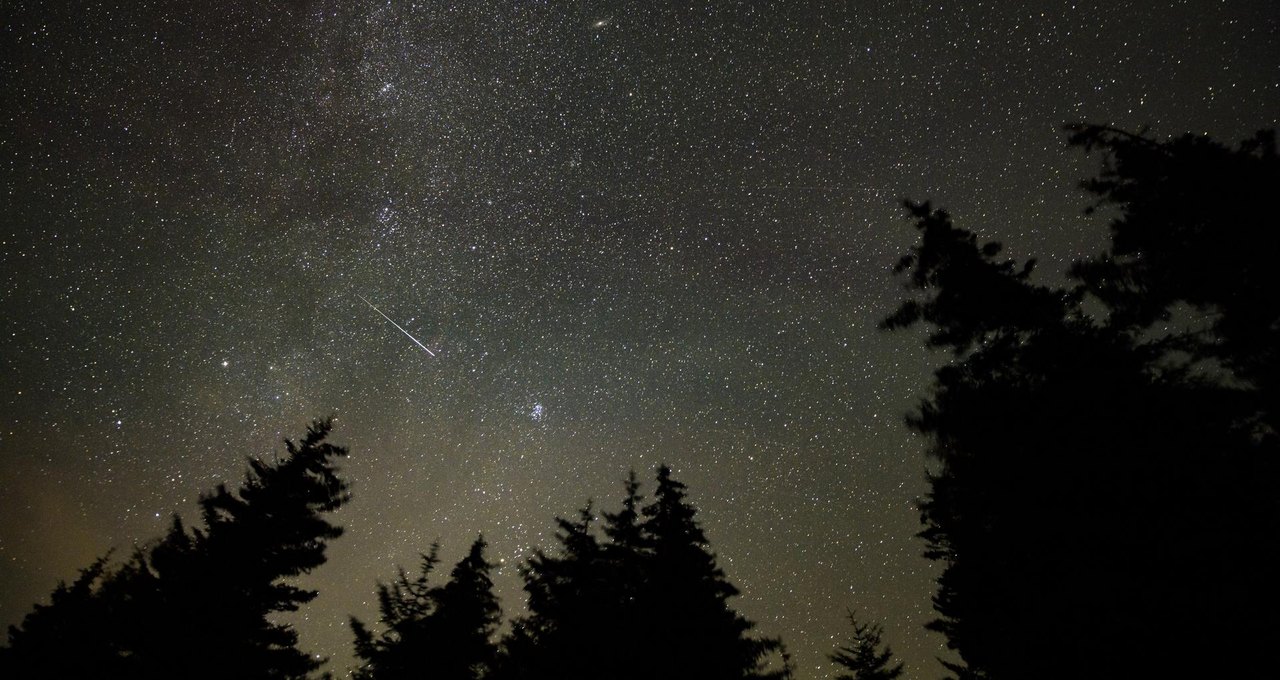
The next highlight
Coming up next: Orionids · 21/22 October 2026 (tomorrow). Around 20 meteors per hour, moonless morning hours. More in the guide: Meteor shower calendar.
After that it continues with Clocks go back and Hunter’s Moon (25/26 October 2026), Leonids (17/18 November 2026) and Uranus at opposition (25 November 2026).
Most recently past: Draconids · 8/9 October 2026 – you will find the recap in the guide.
Every date on this page gets better with the right instrument.
Six short questions, an honest answer by e-mail – with no pressure to buy.
Eclipses, meteor showers and full moons
Eclipses can be predicted to the second: the solar eclipse on 12 August was followed by a partial lunar eclipse on 28 August 2026; the next one visible from Europe falls on 21 February 2027. Several times a year Earth crosses a comet’s dust trail – every meteor shower is listed in the meteor shower calendar. And the full moon never misses its monthly appointment: all dates in the full moon calendar.
Oppositions: Saturn, Jupiter and Mars at their best
At opposition a planet sits exactly opposite the Sun: visible all night and brighter than at any other time. The dates: Saturn on 4 October 2026, then the rare double opposition of February 2027 with Jupiter on the 11th and Mars on the 19th.
The ideal event companion: Omegon Brightsky 10x50 Binoculars

Bright, high-contrast binoculars: perfect for the Moon, star clusters and Milky Way fields, handheld.
Price: € 289
* Affiliate link: if you buy through this link we may earn a small commission from Astroshop or High Point Scientific, at no extra cost to you.
Frequently asked questions
What is the next major astronomical event?
Orionids · 21/22 October 2026 (tomorrow). Around 20 meteors per hour, moonless morning hours. The calendar above lists every further date.
Which events of 2026 should I not miss?
For the rest of 2026: Geminids (13/14 December 2026).
Do I need a telescope for these events?
Usually not: meteor showers and aurorae are best enjoyed with the naked eye, eclipses with certified glasses or binoculars. A telescope pays off mainly for the oppositions of Saturn, Jupiter and Mars – which type works best is explained in which telescope for planets, and our best telescopes of 2026 sorts the picks by budget.
Where is the best place to watch?
The darker the sky, the better: get away from city lights and find a clear horizon.
🔭 Read next: Meteor shower calendar · Full moon calendar · Perseids guide