By Alexander Merz · Updated on · Details checked on 3 October 2026
More in our overview: Astrophotography.

What is Deep Sky Astrophotography?
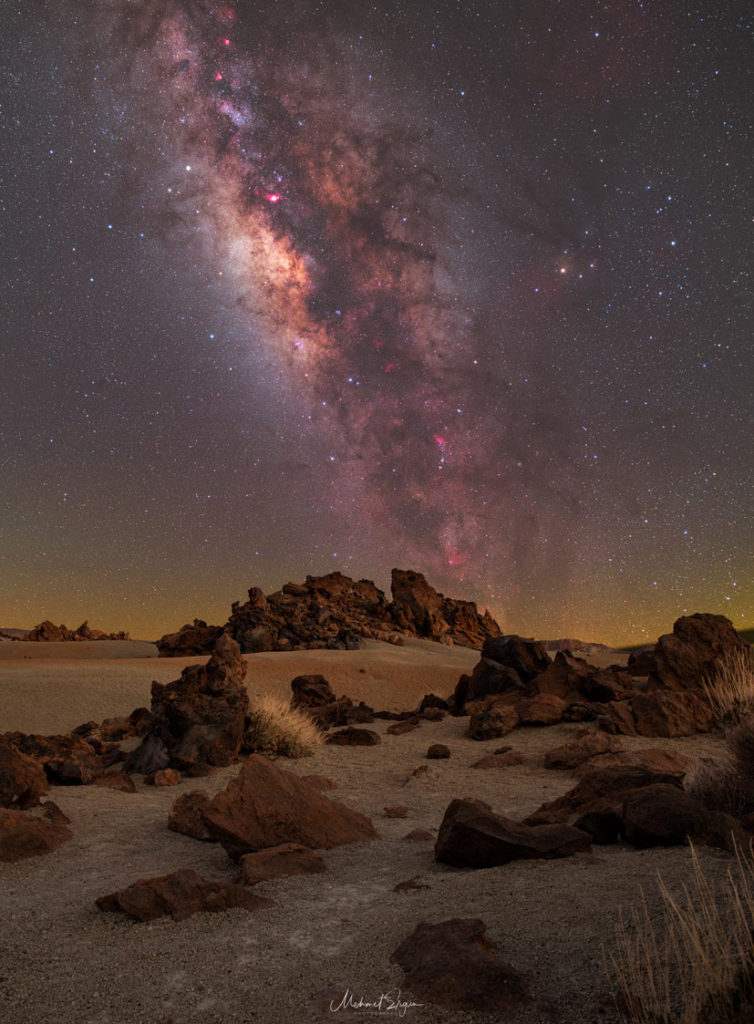
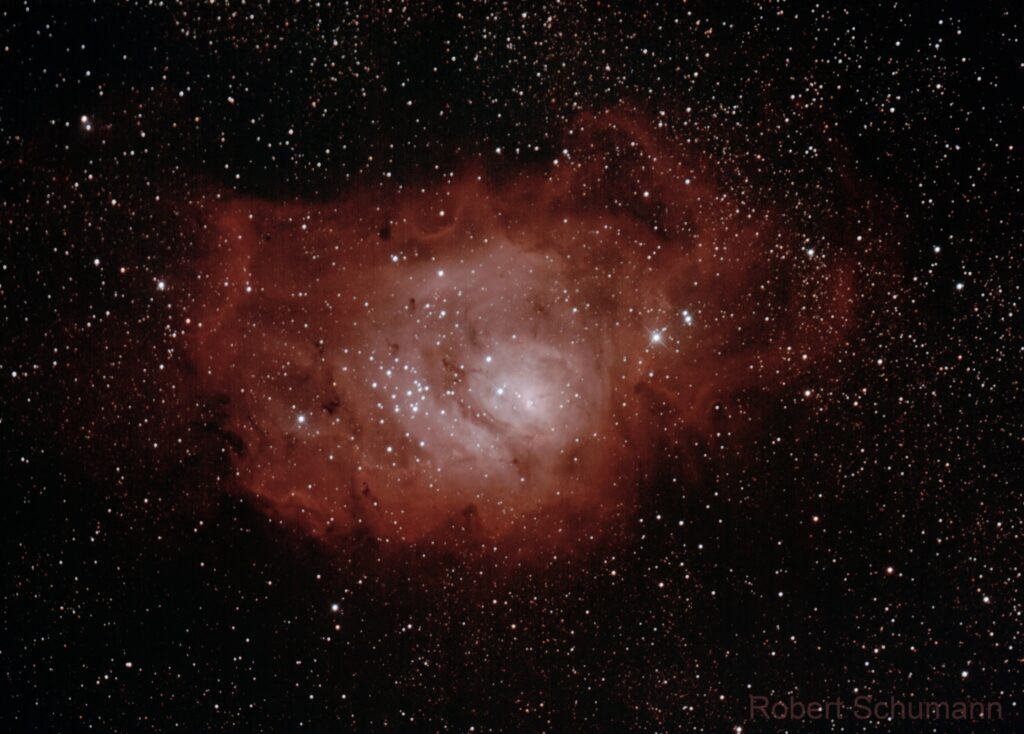
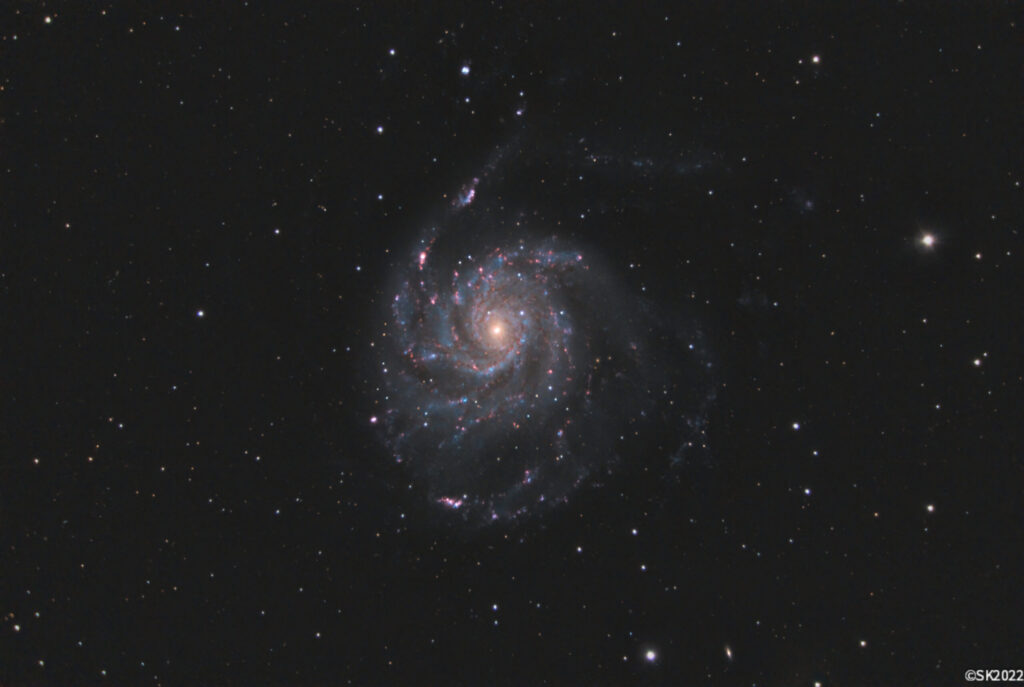
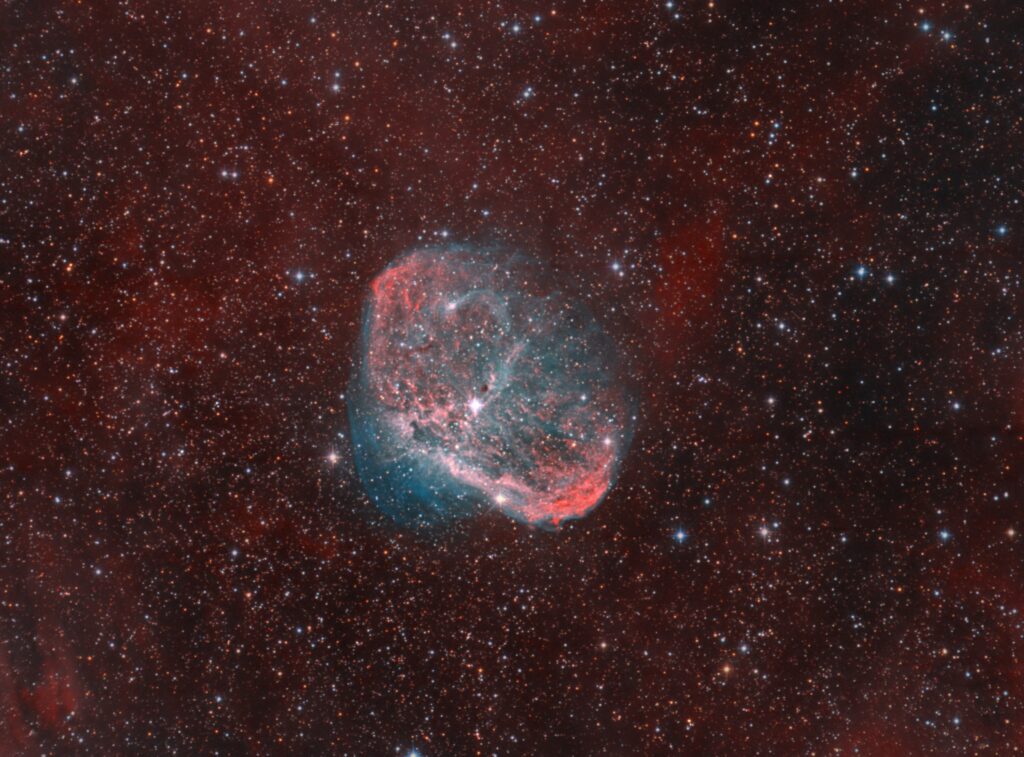
Deep sky astrophotography is the supreme discipline of astrophotography. It makes it possible to capture faint objects such as nebulae, galaxies and star clusters. In contrast to widefield photography, which shows large regions of the sky together with terrestrial objects, deep sky photography concentrates on specific deep sky objects or groups of objects.
Long focal lengths for objects in the Solar System
When photographing the Sun, Moon and planets, long focal lengths and the lucky-imaging technique are used to draw detail out of these tiny objects (see planetary photography).
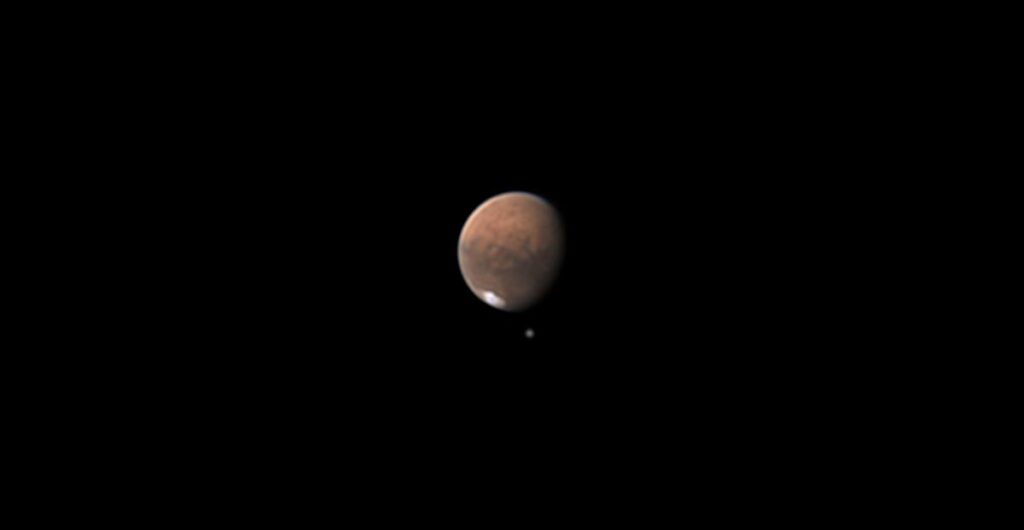
Deep Sky Astrophotography: the target is nebulae, galaxies and star clusters
Deep sky astrophotography is fundamentally different: it concentrates on individual objects rather than large areas of sky. The atmosphere and earthbound objects are meant to play no role at all.
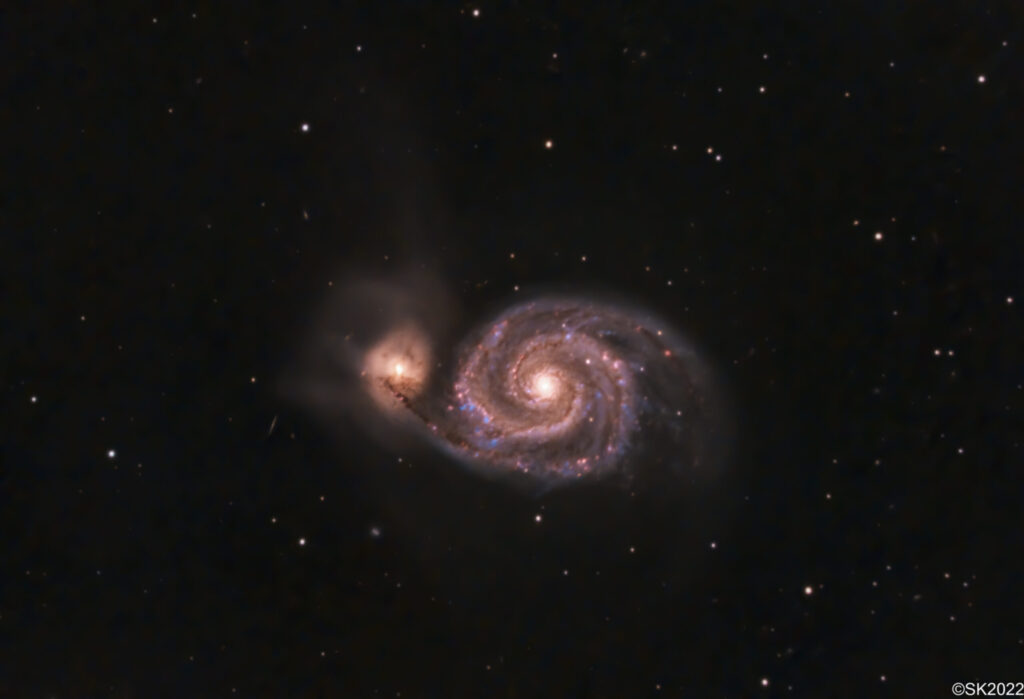
Deep Sky Astrophotography: low brightness requires long exposure times
A common misconception is that deep sky photography requires extremely high magnifications. In fact, many well-known objects are impressively large in the sky – the Andromeda Galaxy, for example, spans six full-moon diameters. The reason it remains invisible lies in its low brightness.
“The main reason nebulae or galaxies can be seen so remarkably clearly is the long exposure time” – cameras can gather light over extended periods, whereas the human eye only captures a snapshot.
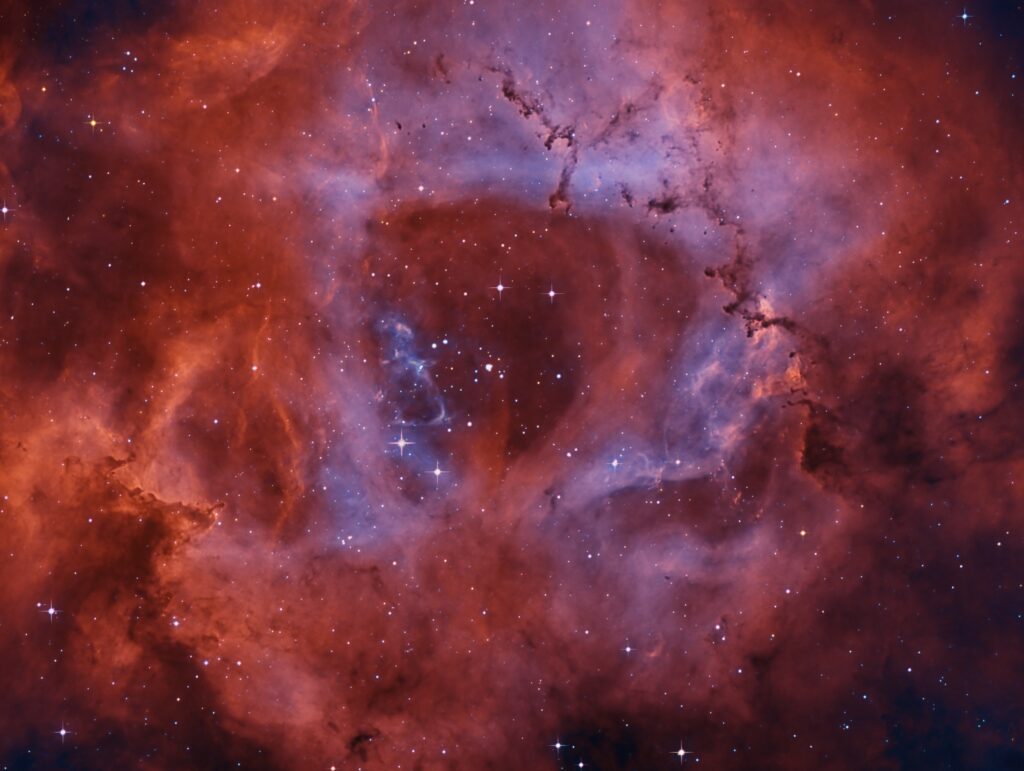
Deep Sky Astrophotography: What equipment do I need?
The mount with tracking is the foundation
A motorised mount with precise tracking forms the foundation of astrophotography. Modern camera pixels are only a few micrometres in size – even at moderate focal lengths under 100 mm, star trails caused by the Earth’s rotation appear within seconds.
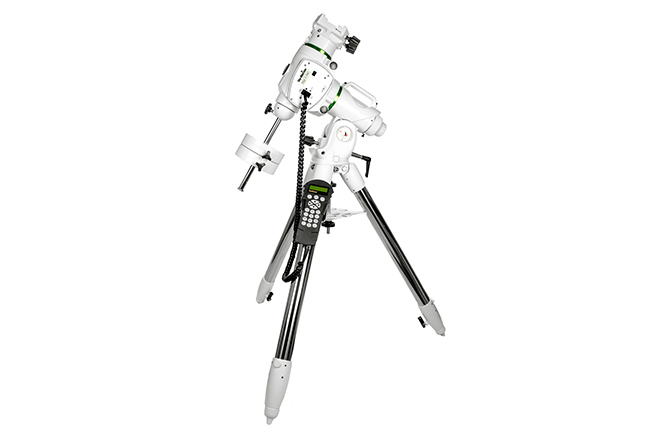
For large telescopes, a mount’s maximum payload capacity should only be used to 50-70%. Beginners are advised to start with a shorter focal length – the Sky-Watcher Star Adventurer GTiSky-Watcher Star Adventurer GTi is a popular solution for focal lengths up to 250 mm.
Entry-level mount: Skywatcher Star Adventurer GTi Wi-Fi GoTo Set
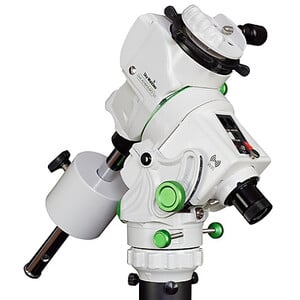
The current entry-level tracking mount: carries a camera with telephoto lens or a small telescope up to 5 kg, slews via GoTo and is controlled over Wi-Fi. The set includes tripod and wedge.
Price: € 665
Guiding compensates for small mount errors
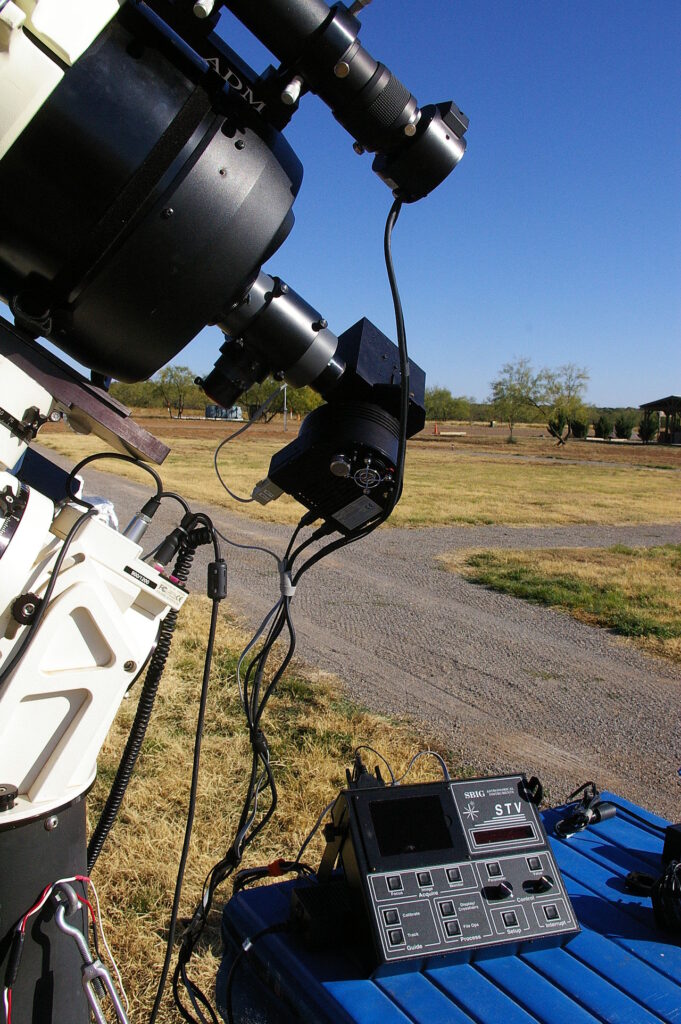
At longer focal lengths (from 300 mm) mount errors become visible. Autoguiding solves this problem: a second camera with a guide scope (guide-scope guiding) or an off-axis mirror in the main telescope monitors the star’s position. A computer detects deviations and sends corrections to the mount.
Standalone controllers such as the ZWO ASIAIR MiniZWO ASIAIR Plus make this possible without a separate computer.
Deep Sky Astrophotography: What should you consider regarding the optics?
The focal ratio (f-stop) is decisive. Speed allows faster exposures – at f/5 you achieve the same result in one hour that would take four hours at f/10.
A good start: camera lenses and small refractors
A 135 mm f/2 camera lens offers a good entry point: fast, robust against tracking errors and easy to attach to a DSLR. The Apertura 72EDR Doublet APOTS-Optics PhotoLine 72 mm FPL53 Doublet APO (250 mm f/4.9) offers more focal length with extensive equipment.
Wide-field starter: TS-Optics PhotoLine 72/432 FPL53 Apo (OTA)
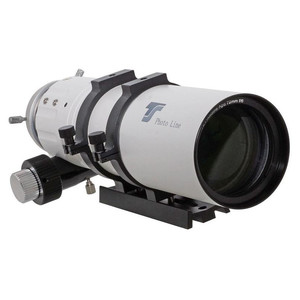
FPL53 doublet 72/432 at f/6 – the classic wide-field optic to start with. Tube only: at 2.18 kg light enough for a small travel mount, flattener and mount come separately.
Price: € 549
We have tested this class in depth: William Optics RedCat 51, Askar SQA55 and William Optics ZenithStar 73 – three compact refractors that all run happily on a small tracking mount. The ZenithStar 73 is currently unavailable new – the review still helps if you buy used; new, that leaves the RedCat 51 and the SQA55.
An all-rounder: the photo-capable Newtonian reflector
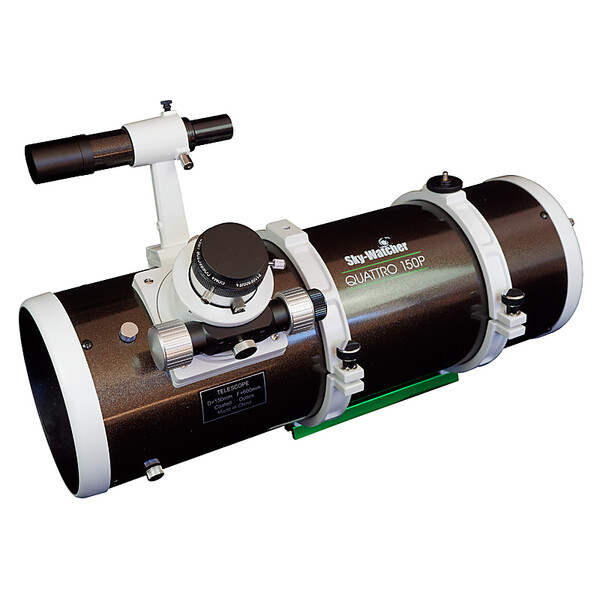
A photo-capable Newtonian reflector with 150 mm aperture and 750 mm focal length allows versatile photography – from the Moon and planets to smaller galaxies. The downside: a coma corrector is needed to avoid distortions away from the centre of the image, and regular collimation is required.
Considerably faster, and therefore much kinder to your exposure times, is an f/2 astrograph such as the Celestron RASA 8. The extra cost only pays off once your mount and guiding are genuinely solid.
Optics: what is often overlooked
Focus stability is critical: out-of-focus exposures are lost. Temperature changes lead to focus drift – some telescopes drift with as little as a 1 K difference, others only from 8 K.
Schmidt-Cassegrain telescopes are poorly suited to deep sky photography because of their long focal length, slow focal ratio and uneven image field.
Deep-sky is decided at the mount. Which combination fits you?
Six short questions, an honest answer by e-mail – including when the budget is not there yet.
Deep Sky Astrophotography: thoughts on the camera
Pixel size: a chapter in its own right
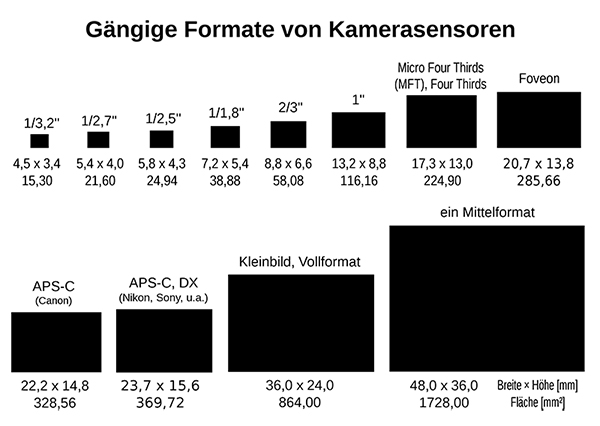
The pixel size has to match the telescope. A single pixel should cover roughly one to three arcseconds of sky. Smaller pixels allow finer resolution, while larger pixels offer better sensitivity and greater tolerance of tracking errors (more on this under pixel size and sampling).
A solid entry into deep sky astrophotography: the DSLR
Used DSLRs such as the Canon 600Da offer a good way in. The “a” stands for astro modification – the removal of certain filters in front of the sensor. This increases sensitivity in the deep-red range (656 nm) where hydrogen glows – essential for photographing emission nebulae. You can read more in our guide on the astrophotography camera.
Dedicated astro cameras: better cooling for deep sky astrophotography
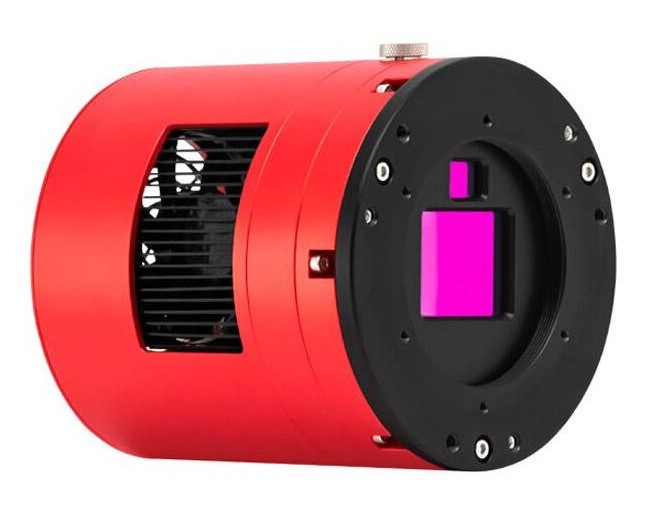
Specialised astro cameras offer temperature control through thermoelectric elements that cool the sensor up to 45 K below the ambient temperature. This considerably reduces the dark-current signal during long exposures.
Mono cameras (without a Bayer matrix) allow the use of RGB filter sets and narrowband filters – particularly valuable under light-polluted skies. High-quality options include the ZWO ASI2600MC-DUO ColorZWO ASI2600MC-DUO Color or the ZWO ASI2600MM ProZWO ASI2600MM Pro.
Deep Sky Astrophotography: an example setup for beginners
Further details can be found in The optimal astrophotography setup [practical example].

Systematic false signals and image defects can be corrected: darks and flats
Darks (dark frames) correct the dark-current signal – exposures taken with the sensor covered, using the same settings as the original images, are subtracted.
Flats (flat frames) reduce vignetting, dust spots and differences in pixel sensitivity. The optics are illuminated with a uniform light source. Important: between the lights and the flats, the camera, filter and focus position must not be changed.
Astro calculator for deep sky astrophotography
Available here: Astrophotography calculator [tool].
Deep Sky Astrophotography: image processing
Several short exposures are “stacked” into a single combined image rather than using one long single exposure – this prevents the stars from being overexposed. Programs such as Siril, Astro Pixel Processor or DeepSkyStacker automate calibration and alignment.
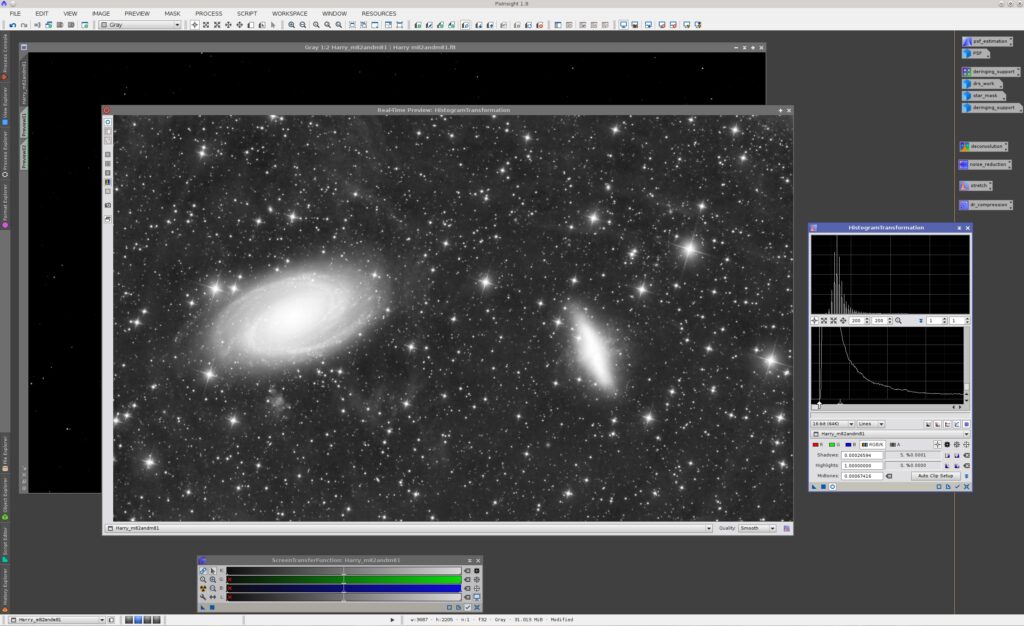
After stacking, the image is processed with software such as Fitswork (free) or PixInsight (paid). These remove light-pollution gradients, balance colours and carry out stretching.
Mono-camera images require additional work – several greyscale images have to be combined into a single colour image.