By Alexander Merz · Updated on · Details checked on 14 September 2026
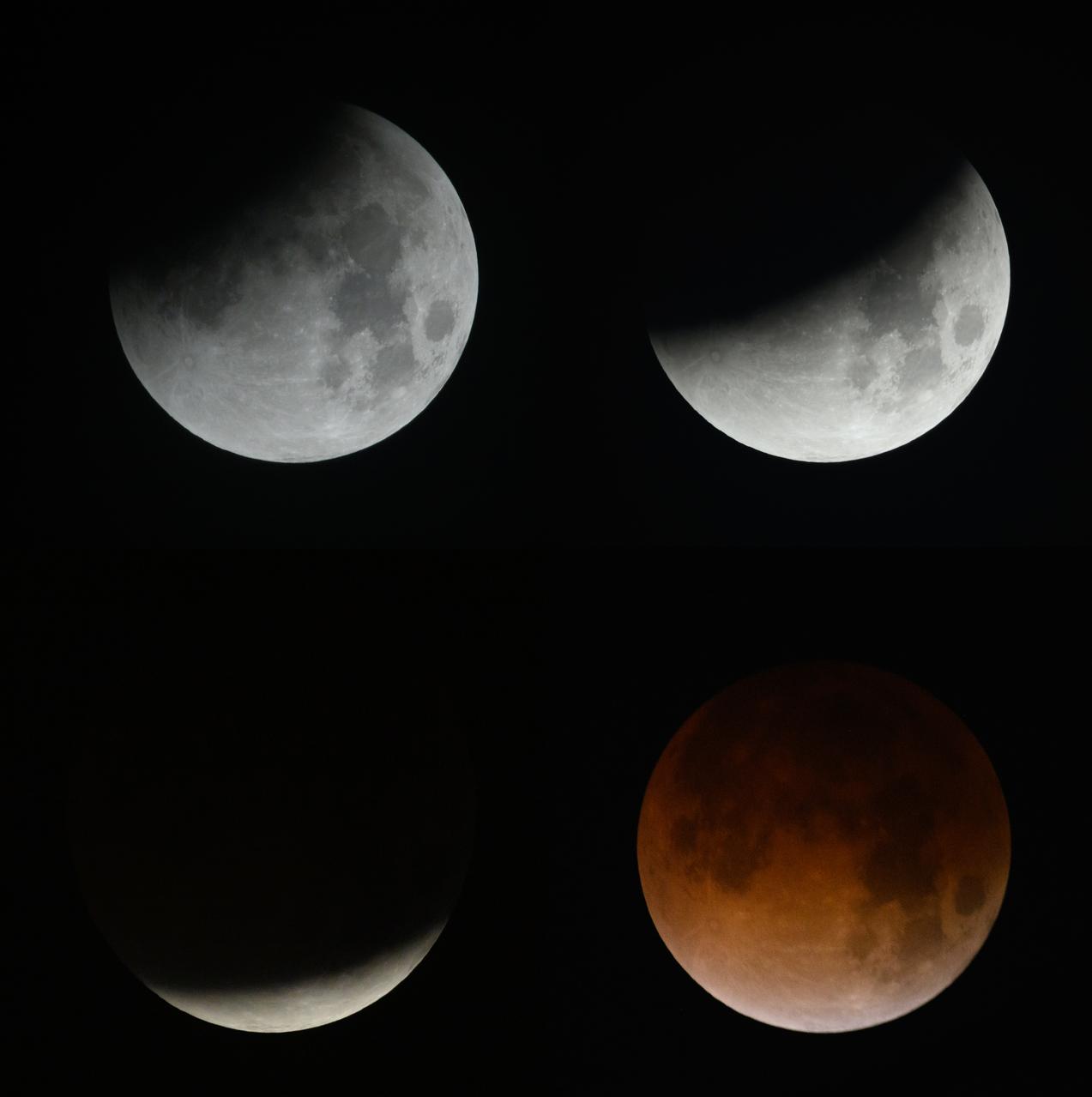
A copper-red glowing Moon in the night sky – few celestial spectacles look as unreal as a blood moon. No wonder it has fuelled myths for thousands of years. The science behind it is at least as beautiful as the sight itself: at that moment you are watching every sunrise and sunset on Earth at the same time – reflected onto the Moon. Here you’ll learn how the phenomenon arises, when the next blood moon will be visible over the US, and how best to experience it.
⚡ The quick answer: A blood moon is a total lunar eclipse: the Moon dips completely into Earth’s shadow and is lit only by light that has been filtered through Earth’s atmosphere – leaving nothing but a deep red. The next well-visible total blood moon: on 26 June 2029 – the longest total lunar eclipse of the 21st century. The closest recent call was the strikingly deep partial lunar eclipse of 27–28 August 2026, with 93.8% of the Moon’s diameter in shadow. Next up: a partial eclipse right across the US on 12 January 2028.
Why does the Moon turn red? The physics behind the blood moon
During a total lunar eclipse, the Sun, Earth and Moon are exactly in line – the Moon passes through Earth’s umbra (its inner shadow). Strictly speaking, it should then go black. But Earth’s atmosphere acts like a giant lens: it bends sunlight into the shadow and, in doing so – just as at every sunset – filters out the blue components (Rayleigh scattering). What reaches the Moon is the combined red-orange light of all the twilight zones on our planet.
How dark and how red the blood moon appears depends on Earth’s atmosphere: after major volcanic eruptions that fill the upper atmosphere with dust, it turns almost black; in clear years it glows a bright coppery orange. Astronomers rate this using the Danjon scale, from 0 (barely visible) to 4 (bright orange) – a small observing project for every blood moon evening.
When is the next blood moon? Every date up to 2029
| Date | Type of eclipse | Visible from the US? |
|---|---|---|
| 3 March 2026 | Total lunar eclipse (blood moon) | ✅ Yes – seen across the US at dawn (best in the West) |
| 28 August 2026 | Partial lunar eclipse (93.8% – nearly total) | ✅ Yes – it stood high over the eastern & central US (late evening of the 27th) |
| 20 February 2027 | Penumbral eclipse | (✅) Barely noticeable |
| 12 January 2028 | Partial lunar eclipse | ✅ Yes – right across the US |
| 31 December 2028 | Total lunar eclipse (blood moon) | ◾ Only partly – totality just from the Pacific Northwest, Alaska & Hawaii at dawn; a partial view elsewhere |
| 26 June 2029 | Total lunar eclipse – BLOOD MOON | ⭐ YES – the whole eclipse from the eastern US, the red Moon rising in the West |
🌒 Highlight of the century: The next well-visible blood moon for US skywatchers falls on 26 June 2029 – and it’s a big one: with more than an hour and a half of totality, it’s the longest total lunar eclipse of the 21st century. The entire event is visible from the eastern US, while the center and West catch the deep-red Moon as it rises. We’re continually gathering all the details and timings in our lunar eclipse guide.
Almost a blood moon: looking back at the lunar eclipse of 27–28 August 2026
The preview of the next true blood moon came on the night of 27–28 August 2026: Earth’s shadow covered 93.8% of the Moon’s diameter. Barely six per cent short of totality – and the eclipsed part already glowed a rusty red.
| Phase | EDT (27/28 Aug) | PDT (27 Aug) |
|---|---|---|
| Partial eclipse begins | 10:33 p.m. | 7:33 p.m. |
| Maximum (93.8% covered) | 12:13 a.m. | 9:13 p.m. |
| Partial eclipse ends | 1:53 a.m. | 10:53 p.m. |
The eastern and central US had the best view, with the Moon well up in the sky. On the West Coast the partial phase began right around moonrise – the Moon climbed as the shadow grew. In Europe the same eclipse fell at dawn on the 28th, maximum at 6:13 a.m. CEST with the Moon setting low in the west.
All contact times, the recap of that night and the next dates are in our lunar eclipse guide.
You don’t need any equipment for a lunar eclipse – it is a naked-eye event, and binoculars show the shadow’s edge beautifully. If you’d rather photograph the next one, a smart telescope makes it easy: set it up, start the app, and the rest runs automatically. Worth having ready for 12 January 2028, when the next partial eclipse crosses the whole US.
For photos of the eclipsed Moon: ZWO Seestar S30 Pro Smart Telescope

ZWO's benchmark smart telescope: a polished app, mosaic mode and stunning results in minutes.
Price: € 699
A red Moon tonight – but not a blood moon?
The most common mistake: a low, orange-red Moon near the horizon is not a blood moon. That colouring comes from the same scattering effect – but simply because, near the horizon, the moonlight takes a long path through the atmosphere. This happens at every moonrise and is over within an hour. A genuine blood moon, by contrast, stays red even high in the sky and its total phase can last up to an hour. Why the Moon on the horizon also looks enormous is explained in our article on the Moon illusion.
A lunar eclipse needs no equipment at all – but it is what makes many people want a telescope afterwards. If that is you, our guide to the best telescopes for beginners explains what you realistically see through one, and what a first instrument should cost. If it is the Moon in particular that draws you in, the guide to telescopes for Moon and planet observation is the shorter route.
The dates worth seeing are often months apart and easily forgotten. So you do not miss one:
One short email, in good time – with the times and an honest take on whether it is worth getting up for.
You will get a confirmation email in a moment. Your address stays with us – no sharing, no third-party ads.
Watching the blood moon: how to experience it at its best
- No protection needed: unlike a solar eclipse, you can look completely safely with the naked eye – for as long as you like.
- A dark site pays off: during totality it gets surprisingly dark – suddenly you can see the Milky Way beside the red Moon. A sight you’ll never get otherwise!
- Take in the whole drama: a lunar eclipse lasts for hours – from the first “nibble” through totality to the reappearance. Pack a thermos.
- Photography: tripod + telephoto lens, and during totality boost the exposure significantly (the red Moon is tens of thousands of times fainter than the full Moon). Guide: photographing the Moon.
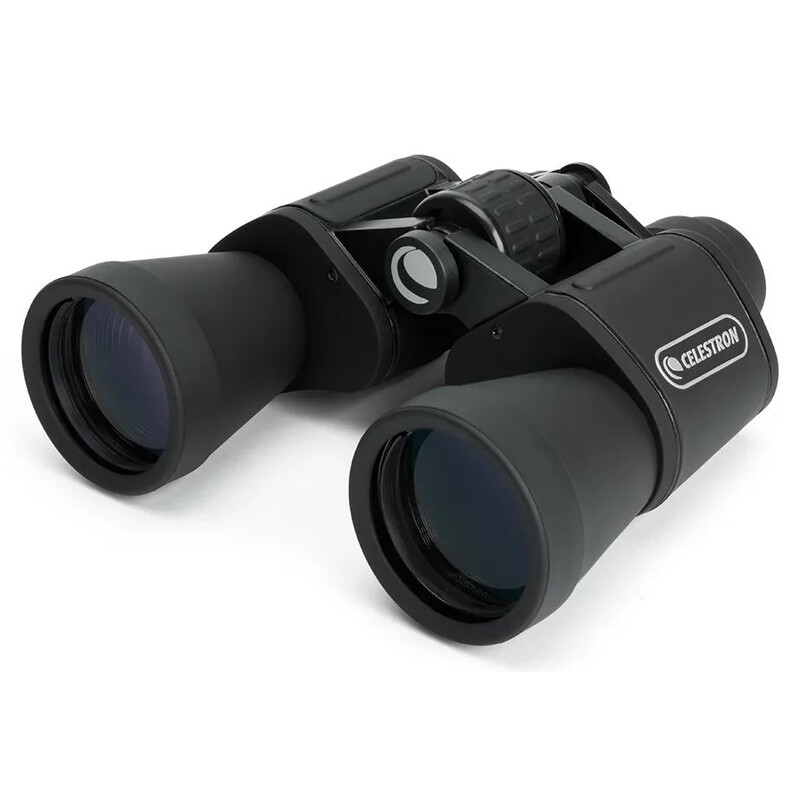 🔭 The best companion for a blood moon is a pair of binoculars: in the Celestron UpClose G2 10x50 Porro Binoculars, the red Moon appears to float in three dimensions in front of the star field – for many observers THE goosebump moment of a lunar eclipse. (A telescope only shows a small section – binoculars show the whole spectacle.)
Check availability* →
*Affiliate link: if you buy through it, we receive a small commission – the price stays the same for you.
The blood moon in myth and history
From the Inca, who saw a jaguar devouring the Moon, to medieval end-of-the-world interpretations: the red Moon has always preoccupied people. In 1504, Christopher Columbus even used his knowledge of an impending lunar eclipse to extort provisions in Jamaica – he “announced” the angry red Moon and made a lasting impression on the locals. Today we know: the blood moon is pure celestial mechanics – and can be calculated precisely, centuries in advance.
A Blood Moon needs no equipment. For everything else, one changes the picture.
Six short questions, an honest answer by e-mail – even if binoculars would do.
Tip: thinking about a telescope of your own? Our big buying guide buying a telescope collects every recommendation, with price, availability and an honest verdict.
Frequently asked questions about the blood moon
When is the next blood moon in 2026?
For US skywatchers, 2026 delivered twice: the total lunar eclipse of 3 March 2026 was visible right across the US at dawn, and on the night of 27–28 August 2026 a deep partial eclipse put almost 94% of the Moon’s diameter into shadow, glowing a coppery red. Nothing further follows in 2026 – the next partial eclipse is on 12 January 2028, and the next well-visible total blood moon on 26 June 2029.
Is there a blood moon today?
Blood moons are rare, precisely calculable one-off events (see the table above). A red Moon on the horizon this evening is normal light scattering – not a blood moon.
How long does a blood moon last?
Depending on the eclipse, the total phase lasts from a few minutes to more than 100 minutes. With the partial phases before and after, the whole spectacle stretches over several hours.
Is the blood moon dangerous?
No – neither for your eyes nor otherwise. You are looking at reflected, heavily dimmed light. All the doomsday myths have survived the blood moons of the past few millennia entirely unscathed.
What is the difference between a blood moon and a supermoon?
The blood moon is an eclipse (red colouring), while the supermoon is a full Moon particularly close to Earth (larger and brighter). When both coincide, we speak of a “super blood moon” – the last such combination was in 2022.
🌙 More about the Moon: All lunar eclipse dates up to 2029 · Supermoon 2026 · The Moon illusion · Full moon calendar
Why is the Moon red tonight?
Most of the time it is not a blood moon at all, just a question of altitude. When the Moon sits low over the horizon, its light travels through far more atmosphere, the blue part is scattered away and what reaches you is orange to red. That happens at every moonrise and moonset and fades within about an hour. Saharan dust or wildfire smoke make it stronger. A real blood moon stays red high in the sky as well, and only ever happens during a total lunar eclipse.