By Alexander Merz · Updated on · Details checked on 14 September 2026
⚠️ No longer available: our European partner shop stopped carrying the ZenithStar 73 in August 2026, and William Optics has not named a direct successor. This review still works as a yardstick if someone offers you a used Z73.
Still available in the same class are the William Optics RedCat 51 Gen 3 WIFDWilliam Optics RedCat 51 WIFD Petzval Apo and the Sky-Watcher Evostar EDX 80 APO Doublet TelescopeSky-Watcher EvoStar 80ED Apo Refractor. If you are still working out which focal length suits you, start here: Astrophotography for beginners on a budget.
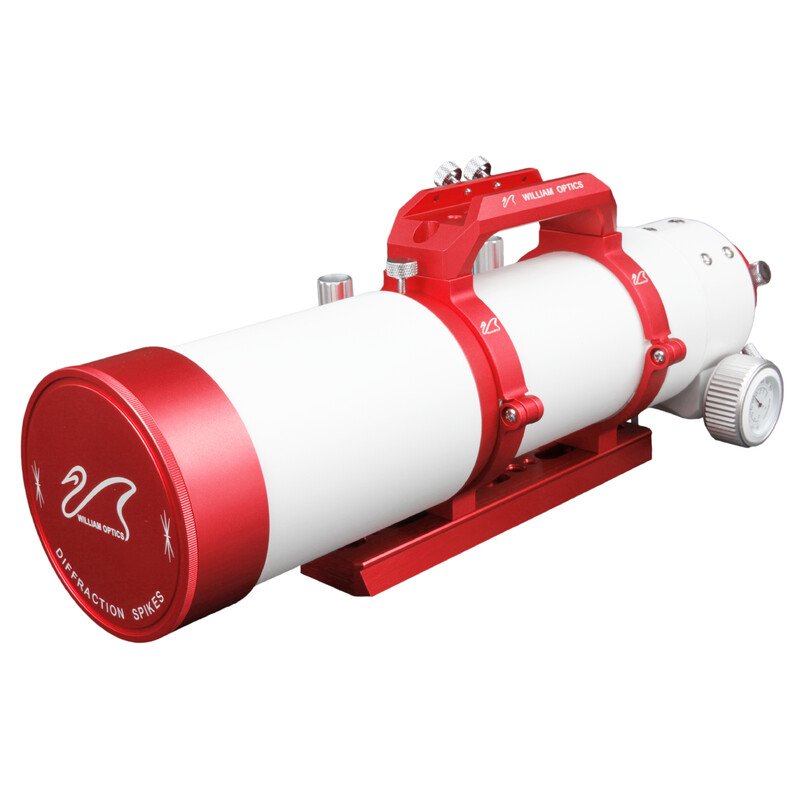
The William Optics ZenithStar 73 – Z73 for short – is one of the most popular recommendations for getting into serious astrophotography, including at AstroBackyard. It’s seen as the slightly more grown-up sibling of the tiny RedCat 51: more aperture, more versatile, and yet still small enough for carry-on luggage.
This review shows you what makes the Z73 so popular – and what else you’ll need for good photos.
William Optics ZenithStar 73: the key specs
| Feature | Value |
|---|---|
| Design | ED apo refractor (doublet, FPL-53) |
| Aperture / focal length | 73 mm / 430 mm (f/5.9) |
| Weight / length | 2.9 kg / 315 mm (retracted) |
| Focuser | 2.5″ rack & pinion |
| Standout feature | Bahtinov mask in the lens cap |
| Price (EU) | no longer available |
Who is the Z73 worth it for?
The Z73 is a wide-field apo for beginners and more advanced imagers who value image quality and build. At 73 mm it gathers noticeably more light than the little 51/55 mm astrographs.
Its advantage over pure astrographs: you can also use it for visual observing – the Moon, planets, bright nebulae. That makes it more versatile than a RedCat 51.
Z73 vs. RedCat 51 vs. EvoStar 80ED
| Criterion | ZenithStar 73 | RedCat 51 | EvoStar 80ED |
|---|---|---|---|
| Aperture | 73 mm | 51 mm | 80 mm |
| Flat field | ⚠️ flattener needed | ✅ built in | ⚠️ flattener needed |
| Usable visually | yes | no | yes |
| Price | no longer available | $878.00€ 1,190 | $750.00€ 795 |
Available alternatives to the ZenithStar 73
Both cover the same job: wide-field astrophotography with a compact apo. The RedCat 51 travels better and brings the flat field with it, but costs more. The EvoStar 80ED gives you more aperture for less money – and, like the Z73, needs a flattener.
Available, compact, flat field built in: William Optics RedCat 51 WIFD Petzval Apo
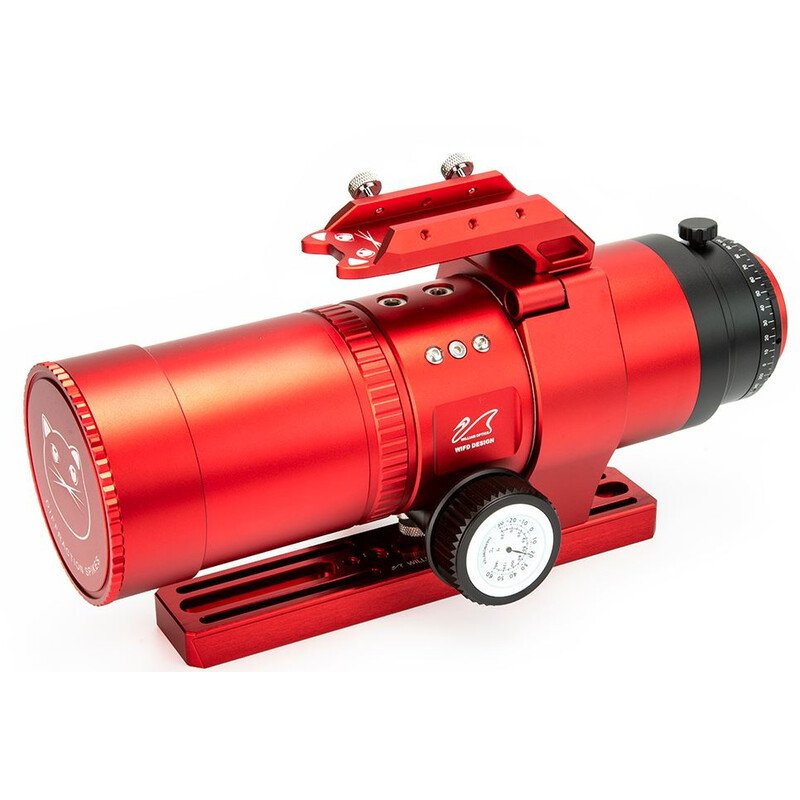
Compact 51/250 Petzval astrograph with built-in flat field – grab-and-go for wide-field imaging.
Price: € 1,190
Available, more aperture for a smaller budget: Sky-Watcher EvoStar 80ED Apo Refractor
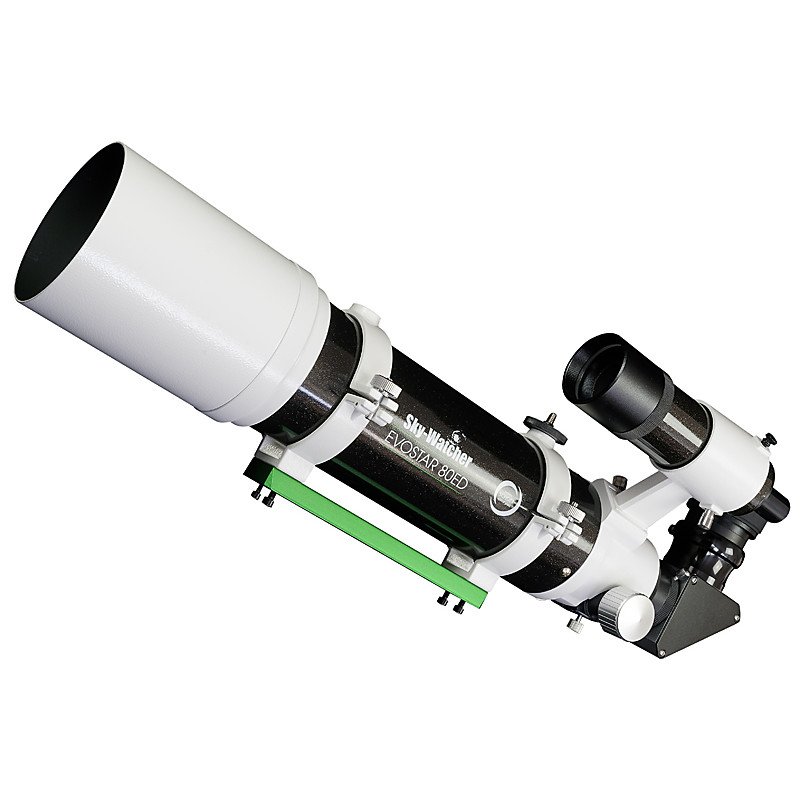
ED apo refractor 80/600 – the classic beginner scope for wide-field astrophotography.
Price: € 795
Frequently asked questions about the William Optics ZenithStar 73
Can you still buy the ZenithStar 73?
Not new from our European partner shop – it was delisted there in August 2026, with no successor named. Used ones show up regularly; new, the William Optics RedCat 51 Gen 3 WIFDWilliam Optics RedCat 51 WIFD Petzval Apo and the Sky-Watcher Evostar EDX 80 APO Doublet TelescopeSky-Watcher EvoStar 80ED Apo Refractor are the obvious alternatives.
Does the ZenithStar 73 need a flattener?
For photos with a camera, yes. As a doublet it doesn’t deliver a flat field on its own – the matching William Optics flattener keeps the stars round right into the corners. For visual use you don’t need one.
Can you observe visually with the Z73?
Yes. Unlike pure astrographs such as the RedCat, the Z73 can also be used visually with a star diagonal and eyepiece – for the Moon, planets and bright deep-sky objects.
Z73 or RedCat 51?
RedCat 51 if you want the built-in flat field with no flattener and maximum compactness. Z73 if you prefer more aperture, visual use and classic refractor handling.
Which camera fits the Z73?
A DSLR, mirrorless or astro camera. With the matching flattener it illuminates the field all the way to full frame (43 mm).
Is the Z73 suitable for beginners?
Yes, for astrophotography beginners who want to invest a little more. It’s forgiving and versatile – but, like all photographic refractors, it needs a tracking mount.