By Alexander Merz · Published on · Details checked on 14 September 2026
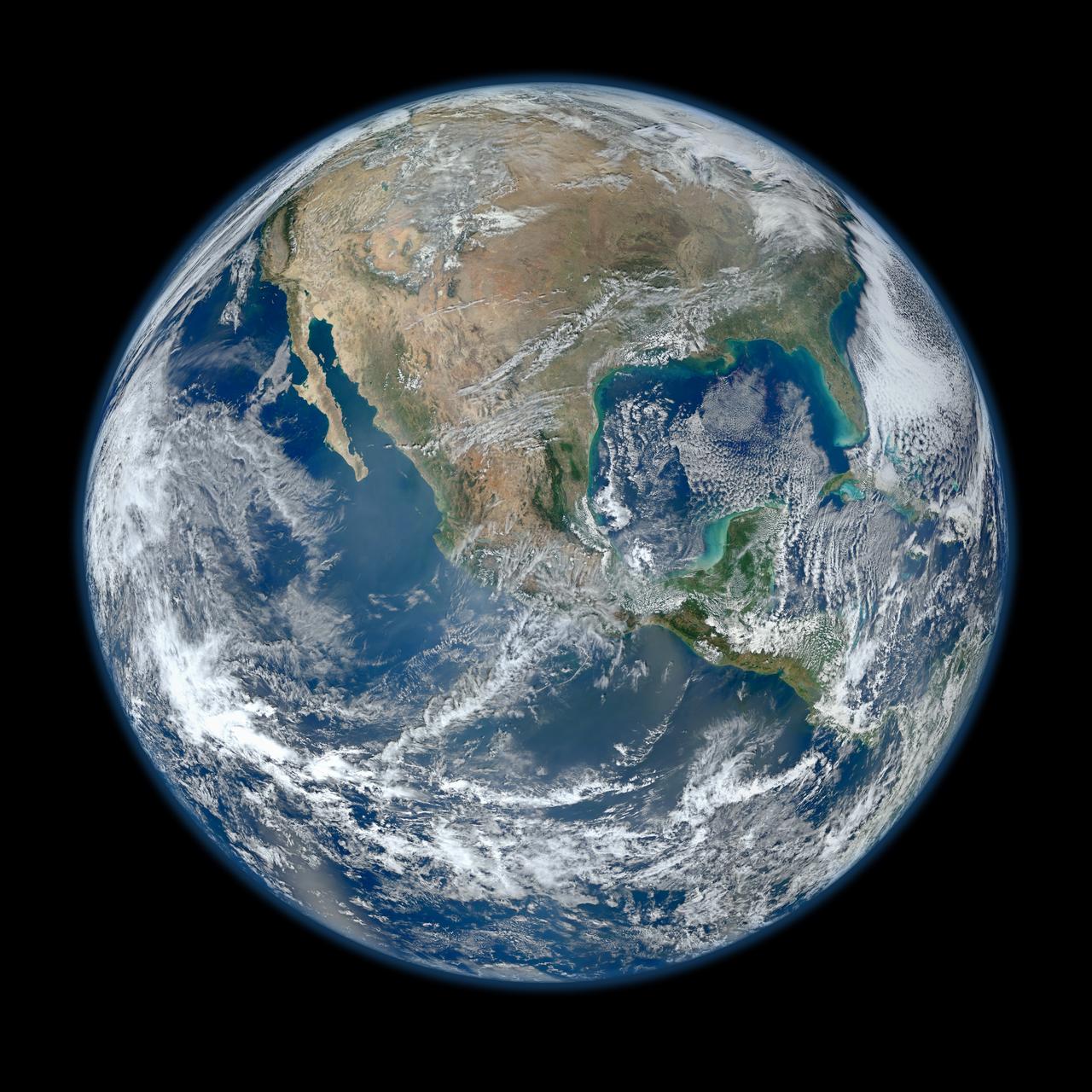
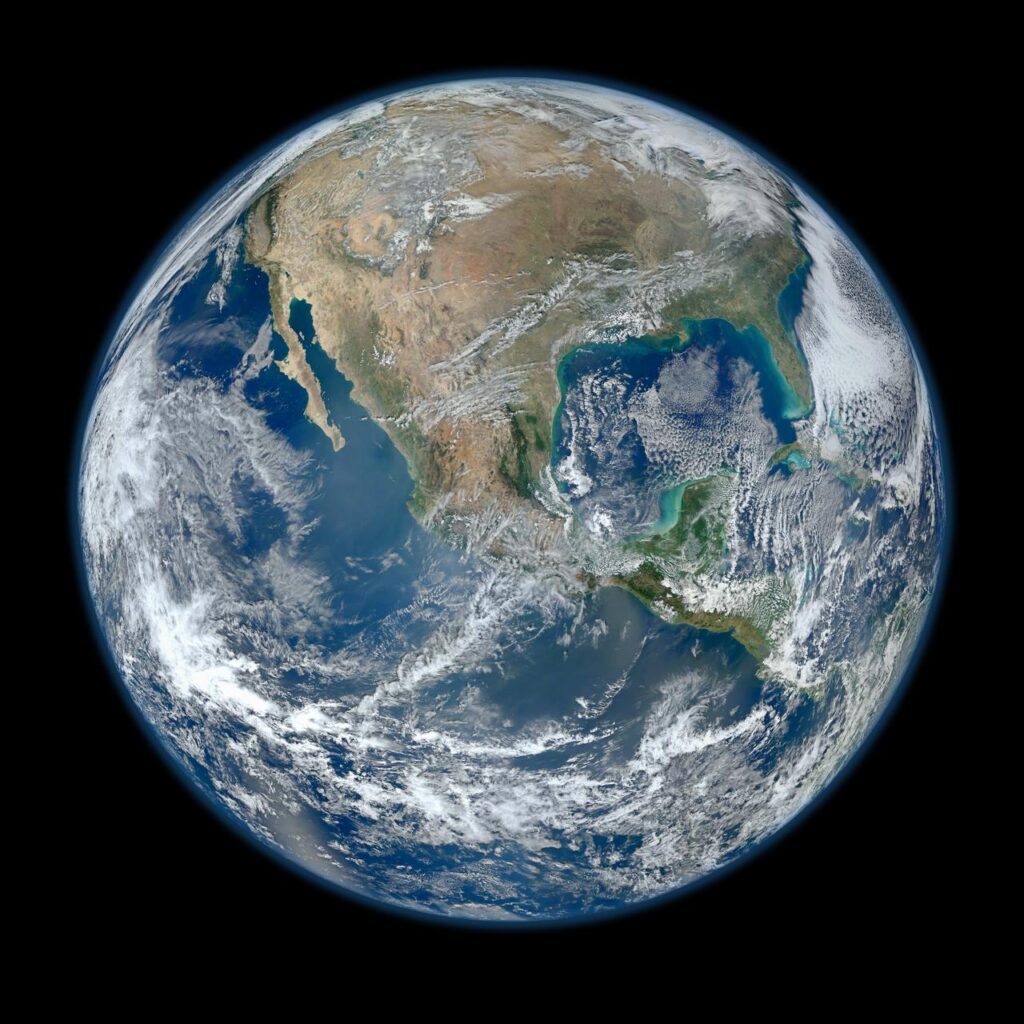
Quick answer: The Earth has a diameter of 12,742 km (12,756 km at the equator) and a circumference of around 40,075 kilometres.
The Earth in numbers
The Earth’s diameter is 12,742 km on average: equatorial diameter 12,756 km, polar diameter 12,714 km – the Earth is not a perfect sphere but slightly flattened by its rotation. The circumference of just over 40,000 km is no coincidence: in 1795 the metre was defined as one ten-millionth of the distance from the North Pole to the equator. Surface area: 510 million km², of which 71 per cent is ocean.
The Earth compared with the solar system
| Comparison | Factor |
|---|---|
| Sun / Earth (diameter) | 109x |
| Jupiter / Earth | 11.2x |
| Earth / Moon | 3.7x |
| Earth / Mars | 1.9x |
| Earth’s circumference / car (100 km/h, non-stop) | approx. 17 days |
Among the rocky planets, the Earth is the largest – but next to the gas giants it remains a dwarf: it would fit entirely inside Jupiter’s Great Red Spot. The way Eratosthenes determined the Earth’s circumference to within a few per cent around 240 BC using nothing but shadow-casting sticks is among the most elegant experiments in the history of science.
Why does the Earth look flat to us?
Purely a question of size: with a radius of 6,371 km, the surface curves by only about 8 centimetres per kilometre – too little for our eye. The spherical shape becomes visible at sea (ships disappear hull first), during lunar eclipses (the Earth’s shadow on the Moon is always round) and, of course, from the orbit of the ISS.
Frequently asked questions
What is the diameter of the Earth?
The Earth’s diameter is 12,742 km on average; 12,756 km at the equator, 12,714 km from pole to pole – the rotation flattens the Earth slightly.
How long would it take to walk around the Earth?
With a circumference of 40,075 km and 30 km a day, around 3.7 years – non-stop and dry-footed.
Is the Earth the largest rocky planet?
Yes. Venus is almost the same size (95 %), Mars is only half as big, and Mercury is even smaller than Jupiter’s moon Ganymede.
How do we know the size of the Earth so precisely?
Today to the centimetre via satellite geodesy – but for the first time already in antiquity: Eratosthenes determined the circumference around 240 BC with astonishing accuracy.