By Alexander Merz · Published on · Details checked on 14 September 2026
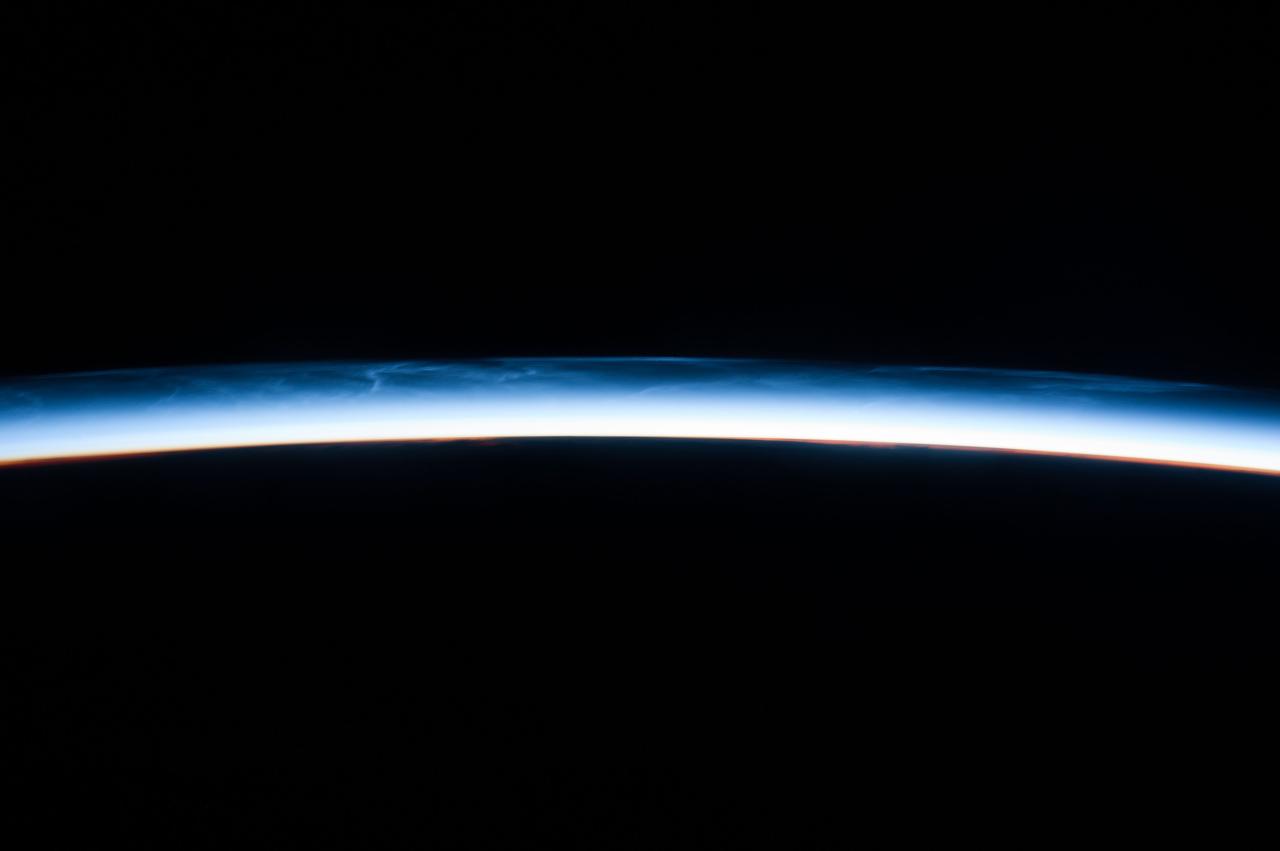
It is past midnight, dark for hours – and yet silvery-blue veils of cloud are glowing on the northern horizon, as if someone were lighting the sky from behind. Noctilucent clouds are among the most beautiful and most puzzling sights of the summer sky: they are the highest clouds on Earth and visible only a few weeks each year. The good news: the season is still running – everything you need for your own sighting is right here.
⚡ The quick answer: Noctilucent clouds (NLC) are ice clouds at roughly 83 kilometres altitude – ten times higher than any weather cloud. They glow because the sun still lights them up in the middle of the night. In Germany they are visible from late May to mid-August, best between 10:30 p.m. and 1:30 a.m. on the northern horizon – shimmering silvery blue, with the naked eye.
What are noctilucent clouds?
Ordinary clouds top out at around 13 kilometres. Noctilucent clouds float in the mesosphere at about 83 kilometres – at the edge of space, where in summer it paradoxically gets as cold as −140 °C. Up there the sparse water vapour freezes onto tiny particles, most likely meteor dust: the condensation nuclei of these silver clouds literally come from space.
They were only discovered in 1885, incidentally, shortly after the eruption of Krakatoa – and since then they have tended to become more frequent and brighter. Many researchers see this as a visible sign of changes in the upper atmosphere: more methane means more water vapour in the mesosphere, which would make noctilucent clouds an early climate warning system in the night sky.
Why do they glow in the middle of the night?
The trick is their altitude: when the sun has long since set for us, it is still “above the horizon” for clouds 83 kilometres up – they are lit from below like a screen and reflect the sunlight back down to us. That is why observing them only works when the sun stands between 6 and 16 degrees below the horizon: low enough for a dark sky, high enough to still illuminate the mesosphere.
When and where can you see noctilucent clouds?
| Factor | What you need to know |
|---|---|
| Season | Late May to mid-August – peak in the second half of June. Right now (July) the last weeks are running! |
| Time of night | Roughly 10:30 p.m.–1:30 a.m. (the darker the night, the shorter the window); in northern Germany sometimes all night long |
| Direction | Northwest to northeast, usually below 20 degrees altitude – the bright star Capella low in the north is a good reference point |
| Appearance | Silvery-blue glowing veils, bands and wave patterns – clearly brighter than the twilight behind them |
| Location | A clear northern horizon; northern Germany has the advantage, but sightings work all the way down to the Alps |
💡 Mix-up check: Ordinary cirrus clouds look dark against the twilight sky at night – noctilucent clouds, by contrast, look brighter than their surroundings, with a characteristic bluish-silver sheen and fine wave structures. If the “cloud” glows instead of swallowing light, you are looking at NLC.
Is there a forecast for noctilucent clouds?
There is no reliable day-by-day forecast the way there is for weather – NLC displays develop at short notice. Three routes still give you a head start: live observer networks (in NLC forums and Facebook groups people report displays in real time – if a display moves in over Scandinavia, northern Germany is often next), satellite data on the mesosphere (successor projects to NASA’s AIM, for example) and the simple rule of thumb: during the season, take a quick look north on every clear evening – the check costs you 30 seconds.
Photographing noctilucent clouds: the settings
NLC are a rewarding subject – here is how to nail the shot:
- A tripod is mandatory; depending on the twilight, exposure times run 0.5 to 10 seconds
- ISO 100–400 is plenty – the clouds are bright, and low ISO keeps the image clean
- Aperture f/2.8–f/5.6, manual focus at infinity (focus on a bright star)
- Wide angle for the whole scene, a short telephoto for the fascinating wave structures
- Even smartphones in night mode deliver usable images – instructions in the guide Smartphone astrophotography
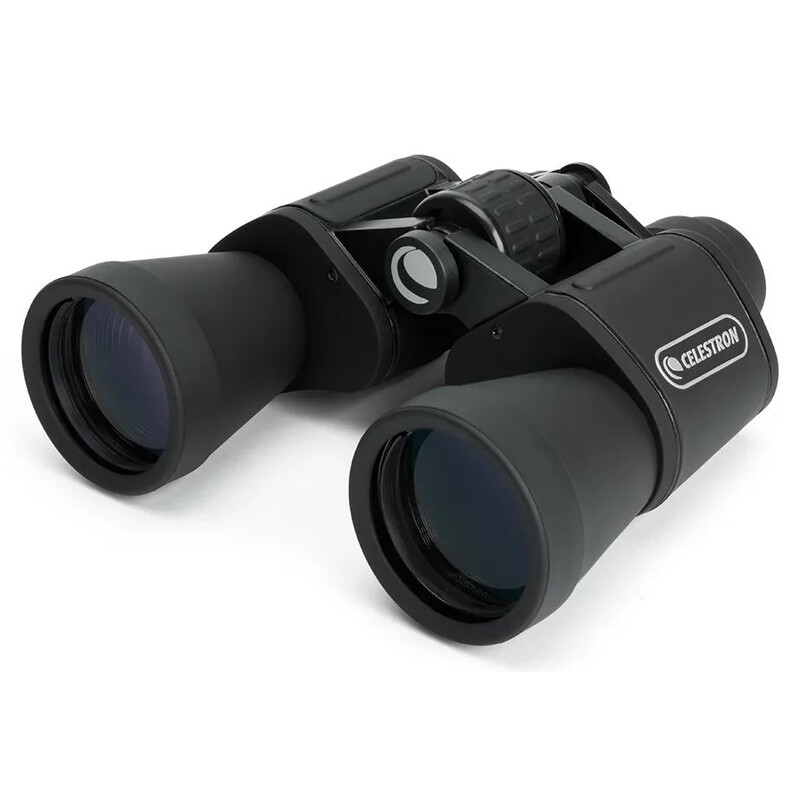 🔭 For the fine structures: Noctilucent clouds sit 80 km up and stretch across half the horizon – a telescope shows you only a fragment of that, binoculars show the whole structure. Waves, swirls and bands like the surface of the sea only become visible that way. Our recommendation for the job: Celestron UpClose G2 10x50 Porro Binoculars for € 62.
Check availability* →
*Affiliate link: if you buy through it, we get a small commission – the price stays the same for you.
Frequently asked questions about noctilucent clouds
Can you see noctilucent clouds tonight?
During the season (late May to mid-August), every look north between 10:30 p.m. and 1:30 a.m. is worth it if the sky is clear. There is never a guarantee – displays form at short notice in the mesosphere.
At what altitude do noctilucent clouds float?
At around 83 kilometres, in the mesosphere – more than six times higher than the highest weather clouds and higher than any aircraft.
What are the clouds made of?
Of tiny ice crystals that form at temperatures down to −140 °C, most likely on particles of meteor dust – so the nuclei come from space.
Why can you only see them in summer?
It sounds paradoxical, but it is physics: only in summer do rising air currents make the mesosphere cold enough for ice to form – and only then does the sun sit shallowly enough below the horizon at night to light the clouds up.
Is there an app for noctilucent clouds?
Dedicated NLC apps are rare – the most reliable sources are reporting communities (NLC forums, Facebook groups for “noctilucent clouds”) plus a weather app to answer the one question that matters: is the northern horizon clear?
🌌 More summer phenomena: Northern lights in Germany · The Starlink satellite train · Perseids 2026 · The night sky in September